


Why Choose Us
Professional team
The workforce is stable and has many years of production and sales experience. It is a provider with a strong guarantee of quality products and services.
Qualifications and certifications
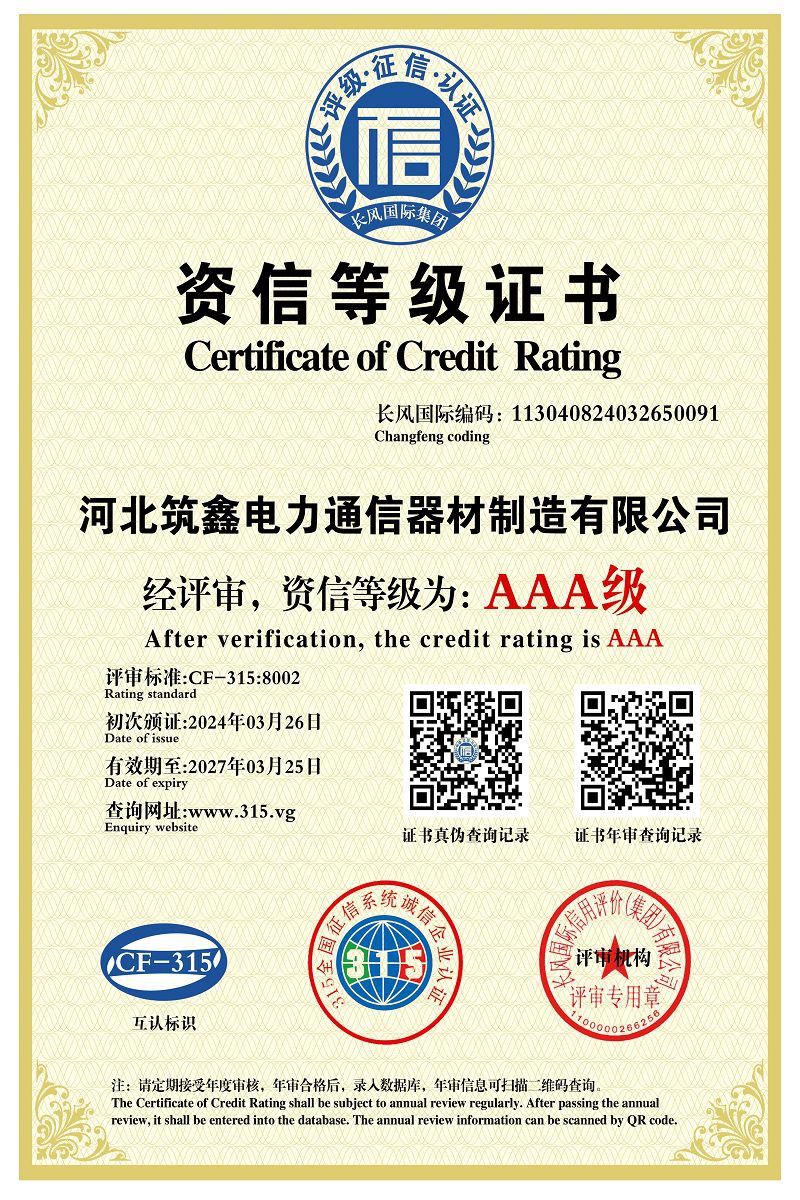
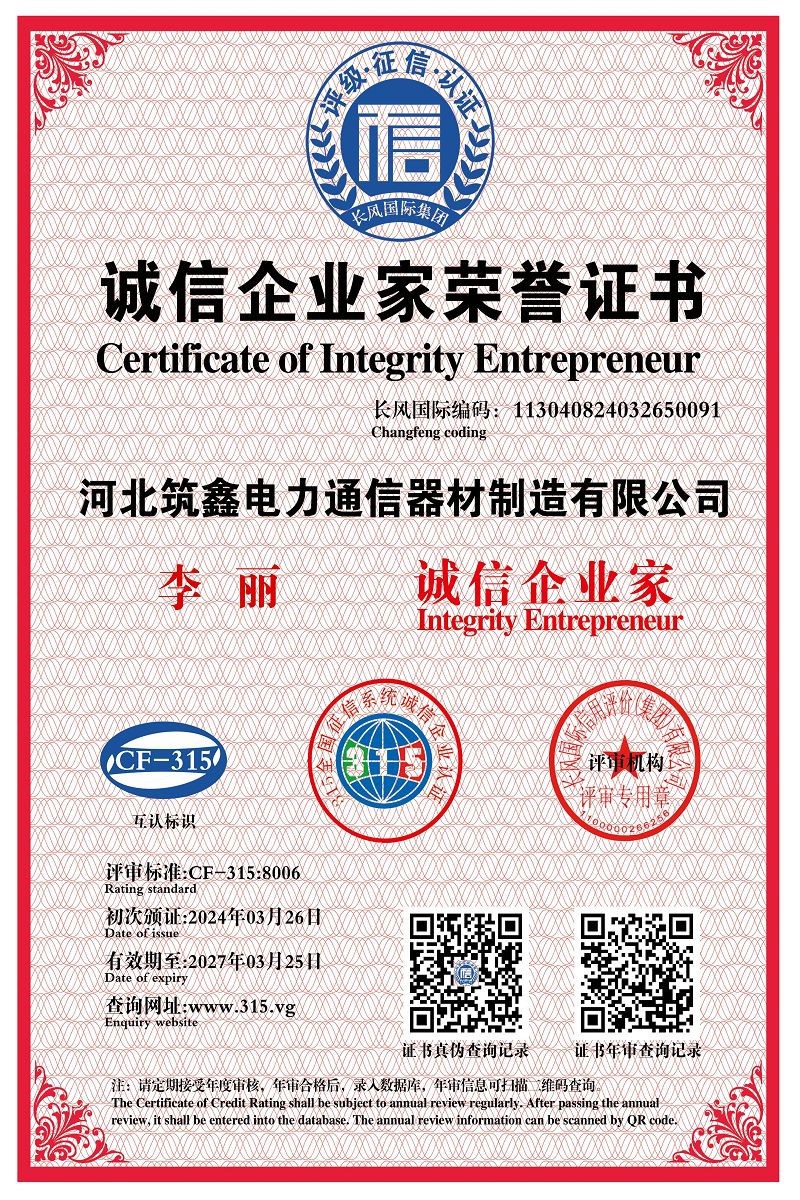
ISO certification, AAA quality, honor, honest enterprise, leading standard parts enterprise, high-quality supplier of state-owned enterprises, etc.
Customized services
Our team of experts will work closely with you to understand your needs and will provide solutions that are tailored to meet your expectations.
7x24 hours delivery
You can contact us anytime via email/phone to resolve any issues.
Industrial fasteners are mechanical devices that are used to join two or more objects together. They are commonly used in manufacturing, construction, and engineering industries to create a secure and reliable connection between components. Industrial fasteners can be made from a variety of materials, including metal, plastic, and composite materials, depending on their application and the specific requirements of the project.
Increased productivity
While traditional industrial fasteners require multiple assemblies to complete the assembly of a particular component, one-piece industrial fasteners do not require this process. As a result, the use of one-piece industrial fasteners can dramatically increase the speed at which components are assembled. This allows manufacturers to produce more products faster, which in turn increases productivity.
Reduced material waste
Traditional industrial fasteners often need to be cut or discarded to fit the size and shape of the component. In contrast, one-piece industrial fasteners can be produced directly from the design requirements. This means no excess material is wasted, reducing the cost of materials and resources used.
Lower parts and component costs
One-piece industrial fasteners consolidate multiple parts into a single assembly, which means manufacturers can reduce the number of parts they need to purchase and store. Reducing the number of components reduces the cost of the assembly, further improving profitability.
Increased reliability
Because one-piece industrial fasteners are single components, they are less prone to assembly errors or mistakes. This means that the use of one-piece industrial fasteners improves component reliability because it reduces the risk of component failure due to incorrect assembly by the operator.
The Process of Industrial Fasteners in Detail
Material classification
Industrial fasteners are available in a variety of materials such as steel, copper, aluminum, and stainless steel. Different materials are selected according to the usage requirements of industrial fasteners.
Material selection requirements
Material selection should take into account the environment and the use of industrial fasteners requirements, such as strength, corrosion resistance, processing performance. At the same time in the selection of materials also need to pay attention to the cost of materials and other economic factors.
Material processing
Starting from the material, the first step of the production process is to cut the steel wire, steel bar or steel plate and other materials into the required size of industrial fasteners. In order to improve the service life of industrial fasteners, the material will be heat-treated or surface treatment and other processes.
Cold extrusion
After the material processing, industrial fasteners forming process is first of all through the cold extrusion to press the material molding. Through cold processing, industrial fasteners can get more strength and fatigue resistance.
Heat-treated parts
Heat treatment of industrial fasteners is a very important process. Heat treatment can improve the durability and reliability of industrial fasteners, increase their service life and corrosion resistance. The heat treatment process requires control of several factors such as temperature, time and cooling rate.
Surface treatment
The surface treatment of industrial fasteners can improve the surface finish and corrosion resistance of industrial fasteners and effectively protect the surface of industrial fasteners from corrosion. Usually there are chrome plating, phosphating and other surface treatment methods available.

Select the appropriate material according to the needs: The materials of industrial fasteners include steel, stainless steel, brass, aluminum, copper and so on. According to the use of the environment and demand for industrial fasteners to choose the appropriate material.
Pay attention to the model specifications: Different models and specifications of industrial fasteners have different connection and fixing effect, improper use may also lead to loose connection, fall off or damage. According to the actual needs of the selection of the appropriate models and specifications.
Pay attention to the corrosion resistance of industrial fasteners: Some industrial fasteners to be exposed for a long time, in the humid environment and acidic and alkaline environment prone to corrosion. To pay attention to the corrosion resistance of industrial fasteners when purchasing.
Industrial fasteners play a vital role in ensuring the safety and reliability of products and structures. Whether it’s a simple screw holding together a piece of furniture or a complex bolt securing a bridge, the quality and reliability of the fasteners used can have a significant impact on the safety and durability of the finished product.
Using high-quality industrial fasteners can help prevent accidents, reduce maintenance costs, and improve the overall performance of the products and structures they are used in. In contrast, using low-quality or inferior fasteners can lead to costly repairs, product failures, and safety hazards.
Types of Industrial Fasteners
Bolts: The backbone of fastening
Bolts are perhaps the most recognizable type of industrial fasteners. They are threaded rods with a head at one end and a nut on the other. Bolts come in various sizes, materials, and thread types to accommodate different applications. They are used to join two or more parts by passing through aligned holes and securing them with nuts. Bolts find their place in everything from automotive assembly lines to construction sites, ensuring the stability and safety of structures and machines.
Nuts: Bolts’ trusted companions
Nuts are designed to work in tandem with bolts. These small, seemingly simple components are crucial for locking bolts in place. Nuts are threaded and come in various shapes and sizes to match the corresponding bolts. When a nut is twisted onto a bolt’s threaded end, it creates a strong connection, holding the attached parts firmly together. Without nuts, bolts would be ineffective, making this combination an inseparable duo in the world of fasteners.
Screws: The versatile workhorses
Screws are a diverse category of fasteners with a helical ridge, known as threads, spiraling around a cylindrical shaft. Unlike bolts, screws do not require nuts to secure parts. Instead, they are designed to be self-tapping, which means they can create their threads when driven into a material. Screws come in a multitude of types, including wood screws, machine screws, and sheet metal screws, each tailored for specific applications. From assembling furniture to fastening electrical panels, screws are indispensable.
Rivets: The permanent bond
Rivets are unique among industrial fasteners because they are typically considered permanent. Unlike bolts and screws, which can be easily removed, rivets are designed to create a permanent, tamper-resistant connection. They consist of a cylindrical shaft and a head, and they are installed by deforming the shaft end after passing it through aligned holes in the parts to be joined. This deformation creates a tight, secure connection. Rivets are commonly used in aerospace, automotive, and construction industries.
Washers: The unsung heroes of fastening
Washers may appear unassuming, but they serve a critical role in fastening applications. These thin, flat disks are placed between the nut or head of a bolt or screw and the surface of the material being fastened. Washers distribute the load evenly and prevent damage to the material’s surface. They also help to lock the fastener in place, reducing the risk of loosening due to vibrations or changes in temperature. While washers may not be in the spotlight, they are indispensable for maintaining the integrity of fastened joints.
What Are Industrial Fasteners Used For?
Applications in construction
In the construction industry, industrial fasteners play a pivotal role in assembling and securing structures, from residential buildings to towering skyscrapers. They ensure the stability of frameworks, hold roofing materials in place, attach cladding panels, and secure insulation. The strength and durability of fasteners are crucial here, as they must withstand various stresses, including weight loads, wind forces, and thermal expansion.
Moreover, fasteners are used in the construction of bridges, tunnels, and railways, where they must endure extreme environmental conditions and heavy, dynamic loads. The reliability of these fasteners is critical to the safety and longevity of such infrastructures.
Manufacturing and machinery
In manufacturing, industrial fasteners are equally indispensable. They are used to assemble machinery, attach components, and secure covers and access panels. Fasteners enable the modular construction of machinery, allowing for easier maintenance, upgrades, and repairs. They also play a significant role in ensuring the precision and alignment of mechanical parts, which is essential for the optimal performance of equipment.
The automotive, aerospace, and shipbuilding industries, in particular, rely heavily on specialised fasteners designed to withstand high pressures, temperatures, and corrosive environments. In these sectors, fasteners not only hold parts together but also contribute to the overall integrity and performance of the vehicles and vessels.
Electronics and appliances
In the electronics industry, fasteners are used to assemble and secure components within devices such as computers, smartphones, and televisions. These fasteners are usually smaller and made from materials that prevent electromagnetic interference. They are essential for the compact and reliable construction of electronic devices, ensuring that parts remain in place and function correctly despite vibrations, impacts, and temperature changes.
Similarly, in the manufacturing of household appliances like washing machines, refrigerators, and ovens, industrial fasteners are used to assemble components and secure panels. These fasteners must be durable and often resistant to corrosion and high temperatures, ensuring the longevity and safety of the appliances.
Energy and utilities
Fasteners also find significant applications in the energy sector, including oil and gas, wind power, and solar energy industries. They are used in the construction and maintenance of pipelines, refineries, wind turbines, and solar panels, among other facilities and equipment. In these applications, fasteners must be able to withstand harsh environmental conditions, including extreme temperatures, pressures, and corrosive substances.
Furthermore, the reliability of fasteners is crucial in preventing leaks and failures, which can have severe environmental and safety consequences. As such, the energy sector often requires fasteners that meet strict standards and certifications, ensuring their performance and integrity under challenging conditions.
Transportation infrastructure
Industrial fasteners are not just limited to stationary structures; they are also crucial in the development and maintenance of transportation infrastructure. This encompasses roads, tunnels, bridges, and railways, where fasteners play key roles in holding various components together securely. In road construction, for example, fasteners are used to secure guardrails, signs, lighting, and barriers, ensuring they remain in place under the stress of daily traffic and environmental conditions.
In railway systems, fasteners are vital in attaching rails to the railway ties, maintaining the structural integrity of the tracks under the immense pressure and vibration caused by passing trains. The selection of fasteners in these applications is critical, as they must resist loosening over time, despite constant vibration and dynamic loads. Furthermore, the safety of millions of commuters depends on the reliability of these fasteners, making their role in transportation infrastructure both crucial and undeniable.
Health and safety considerations
The importance of industrial fasteners extends into health and safety considerations in multiple industries. In the construction and manufacturing sectors, the proper selection and installation of fasteners are critical to preventing accidents and failures that could result in injuries or fatalities. Fasteners must be chosen based on the specific requirements of each application, including the loads they will bear and the conditions they will face.
Furthermore, in industries such as food processing and medical equipment manufacturing, fasteners must meet additional health and safety standards. They should not only be strong and durable but also made from materials that are non-toxic and resistant to corrosion by cleaning agents or bodily fluids. In these environments, the correct fasteners can prevent contamination and facilitate clean, hygienic conditions, which are imperative for public health and safety.
The correct use of fasteners can significantly reduce the risk of mechanical failures that lead to operational downtimes, accidents, and emergency situations. Regular inspections and maintenance are essential to ensure that fasteners remain tight and effective, particularly in environments where they are subjected to extreme stress, vibration, or corrosive substances.
Technological advancements and innovations
The field of industrial fasteners is not static; it is continuously evolving with advancements in technology and materials science. Innovations in fastener design, materials, and installation techniques are enhancing their performance, reliability, and application scope. For instance, advancements in corrosion-resistant materials and coatings are extending the lifespan of fasteners used in harsh environments, such as marine or chemical processing settings.
Moreover, the rise of smart fasteners equipped with sensors is revolutionising the industry by enabling real-time monitoring of their condition and the structural integrity of the components they secure. These smart fasteners can alert maintenance personnel to issues such as loosening or corrosion before they lead to failures, improving safety and preventing costly downtime.
Additionally, developments in manufacturing techniques, such as 3D printing, are opening up new possibilities for custom fastener designs, allowing for more efficient and cost-effective production, particularly for specialised applications. These technological advancements are making fasteners more adaptable, reliable, and integral to modern engineering and construction projects.
Environmental and sustainability considerations
In today’s world, environmental sustainability has become a crucial factor in all industrial activities, and the domain of industrial fasteners is no exception. The environmental impact of fasteners encompasses their manufacturing process, usage, and end-of-life disposal. As a result, there is an increasing push towards eco-friendly materials, recycling, and sustainable practices within the fastener industry.
The choice of materials for fasteners plays a significant role in their environmental impact. Manufacturers are increasingly looking towards materials that are not only strong and durable but also recyclable and sourced sustainably. Metals such as aluminium and stainless steel are popular due to their strength and corrosion resistance, as well as their recyclability, reducing the environmental footprint associated with fastener production.
Moreover, the manufacturing processes themselves are under scrutiny for environmental impacts. Advances in manufacturing technology are aimed at reducing waste, energy consumption, and emissions. For example, cold-forming techniques, which shape metal at room temperature, require less energy than traditional heat-based methods and produce fewer emissions. Such innovations contribute significantly to making the fastener industry more sustainable.
Construction and infrastructure
In the field of construction and infrastructure, the use of sustainable fasteners contributes to the overall environmental performance of buildings and structures. This is increasingly recognised in green building standards and certifications, which consider the life cycle impacts of construction materials, including fasteners.
Furthermore, the end-of-life aspect of fasteners is gaining attention, with efforts to improve the recyclability of fasteners and reduce the environmental impact of their disposal. This includes designing fasteners that can be easily removed and recycled at the end of a product’s life, thereby promoting a circular economy in which materials are reused and recycled, reducing the need for virgin raw materials and decreasing waste.
Our factory
Hebei Zhuxin Electric Power Communication Equipment Manufacturing Co., Ltd. was established on May 30, 2013. The registered capital of the company is 98 million, with a construction area of more than 100,000 square meters, a modern factory building, advanced production lines, and complete testing equipment. We have been a high-quality supplier to many domestic and foreign trade companies. We can also provide a high-quality customization service.
ur company integrates processing and manufacturing. It has one-stop production lines for cold and hot forming, stamping heat treatment, welding, laser cutting, surface treatment, inspection, and packaging.; the annual consumption of raw materials is 32,000 tons; it has more than 80 sets of various advanced machinery and equipment; and it has an experienced management and technical team. The company has about 200 employees.


Certificate




FAQ
We're professional industrial fasteners manufacturers and suppliers in China, specialized in providing high quality customized service. We warmly welcome you to buy industrial fasteners at low price from our factory. Contact us for free sample.
industrial fasteners, hot dip galvanized bolt and nut, oval eye bolt