

Steel


Why Choose Us
Professional team
The workforce is stable and has many years of production and sales experience. It is a provider with a strong guarantee of quality products and services.
Qualifications and certifications
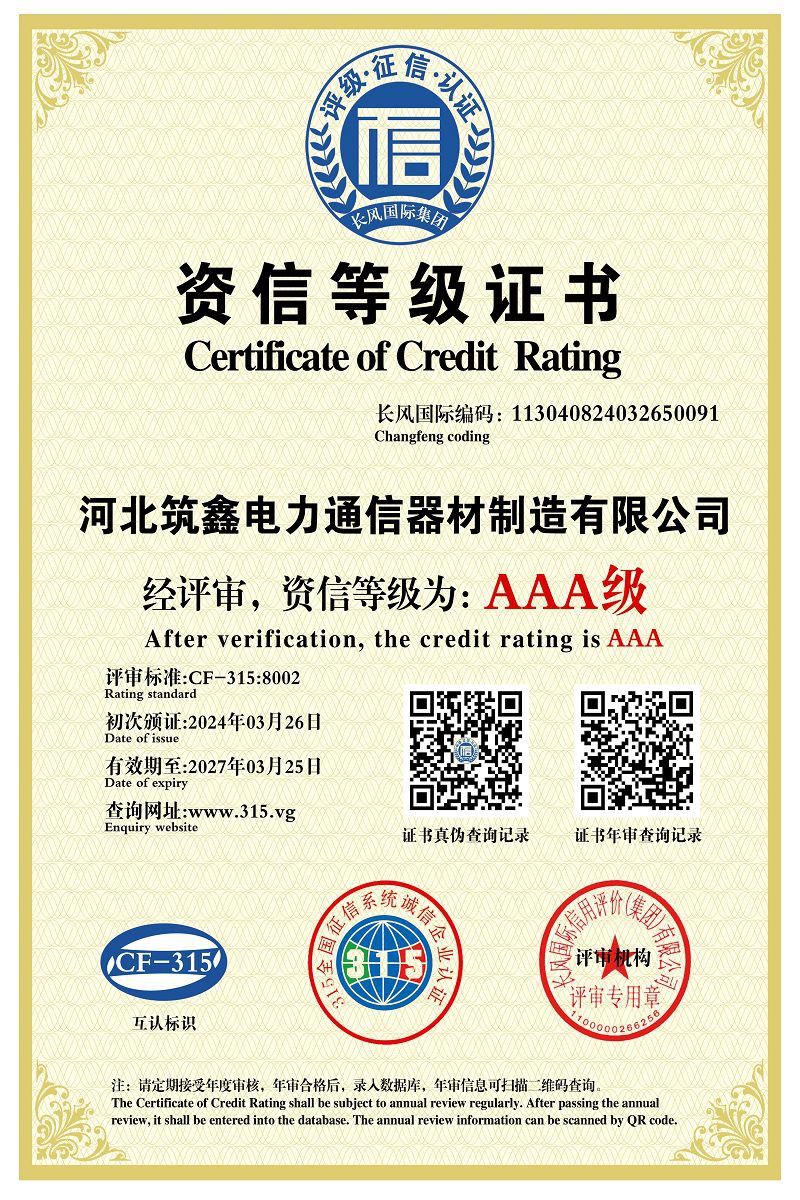
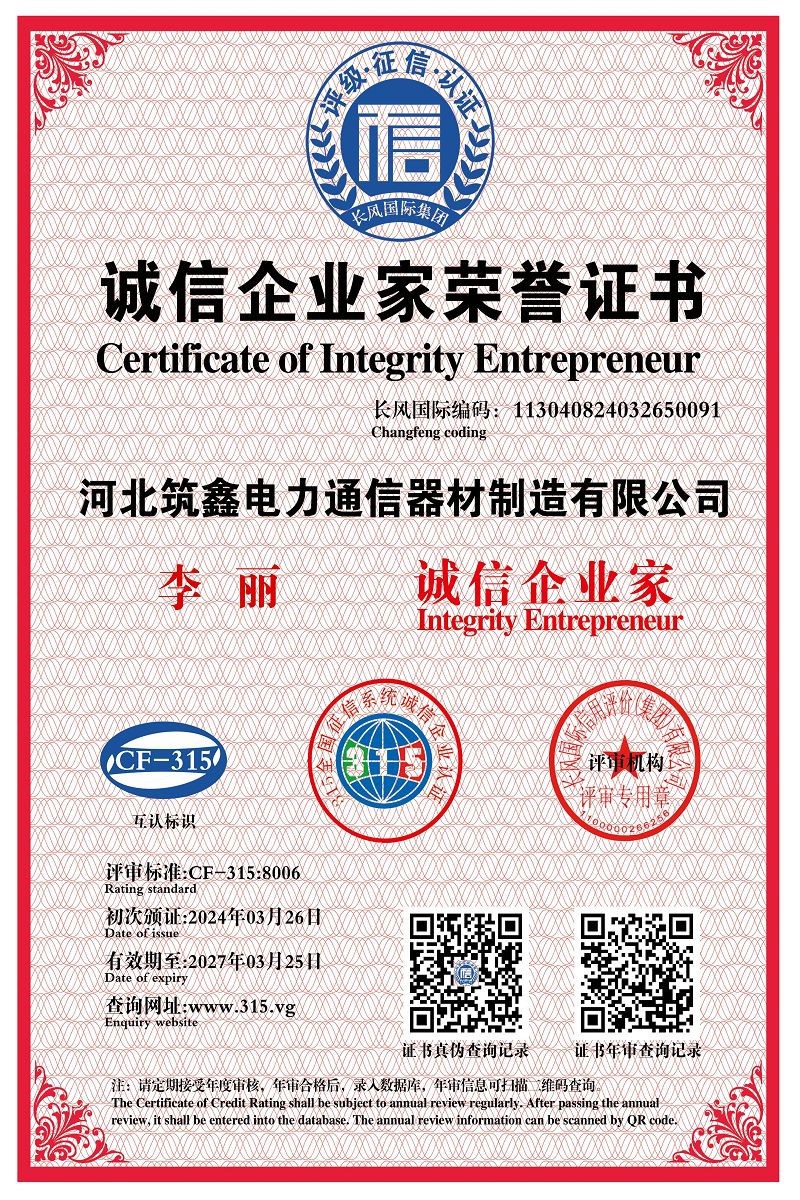
ISO certification, AAA quality, honor, honest enterprise, leading standard parts enterprise, high-quality supplier of state-owned enterprises, etc.
Customized services
Our team of experts will work closely with you to understand your needs and will provide solutions that are tailored to meet your expectations.
7x24 hours delivery
You can contact us anytime via email/phone to resolve any issues.
Steel is an alloy of iron and carbon with improved strength and fracture resistance compared to other forms of iron. Because of its high tensile strength and low cost, steel is one of the most commonly manufactured materials in the world. Steel is used in buildings, as concrete reinforcing rods, in bridges, infrastructure, tools, ships, trains, cars, bicycles, machines, electrical appliances, furniture, and weapons.
Steel has some properties that make it a very useful material:
Strength: Steel is a strong and durable material that can withstand heavy loads and resist deformation. It is ideal for use in construction and infrastructure projects.
Versatility: Steel can be molded, shaped, machined, and welded. It can be formed into a huge variety of components.
Dimensional stability: Steel is very rigid, and resists deformation well.
Recyclable: Steel is infinitely recyclable; the scrap metal may be melted down and reformed.
Safety: Steel is a non-combustible material that does not release harmful components even when heated. This makes it a safe material to build with.
What Are the Characteristics of Steel?
Strength
Steel is a high-strength material, particularly in tension, and can be used for structural loads.
Durability
Steel is highly durable with a potential lifespan of over 100 years. It does not swell or creep, instead remaining very rigid.
Versatility
Steel is an incredibly versatile material. Its many grades can be applied to thousands of uses.
Machinability
Most steel is easily machinable, depending on the grade. Some specific grades of steel (free-cutting steels) are highly machinable.
Weldability
Most grades of steel are easily weldable, although some need specialized welding procedures.
Corrosion Resistance
Steel can be alloyed with other elements such as chromium, nickel, and molybdenum to better resist corrosion.
Conductivity
Steel generally has lower thermal and electrical conductivity compared to other metals. It can be employed as a strong and heat-resistant shielding material.
Recycling
Steel can be completely recycled, and due to its value, a large portion (>60%) of steel globally is recycled.
Fundamentally, steel is made of iron and carbon, but many other alloying elements also get added to create thousands of different grades of steel. Mild steel, or carbon steel, is generally more than 99% iron, containing less than 0.25% carbon, similar amounts of manganese, and traces of phosphorus and sulfur. By contrast, a common grade of stainless steel (304) has only about 70% iron with a minimum of 18% chromium and 8% nickel. Manganese, silicon, phosphorus, and of course carbon are also present in varying amounts within this type of steel. Other alloying elements for different steels include molybdenum, vanadium, and boron. Multiple grades of each type of steel exist, with variations in their composition meant to produce different characteristics.
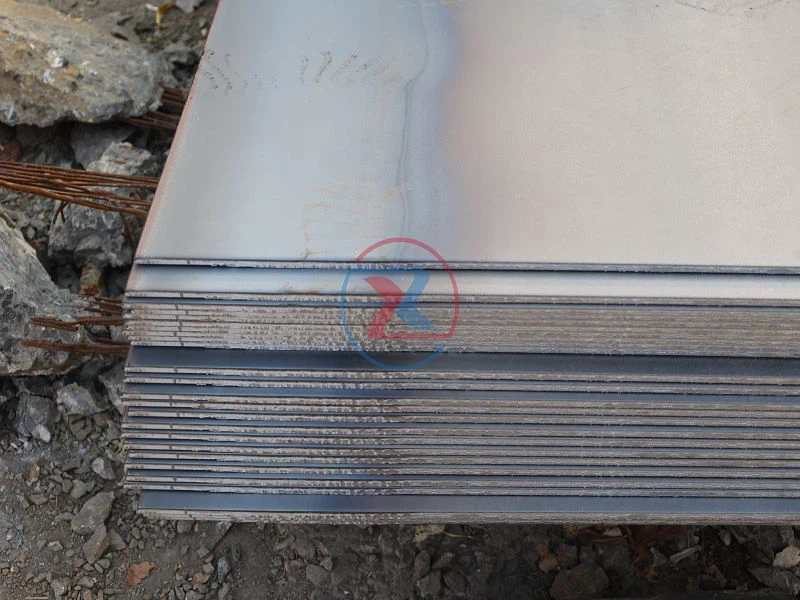
Steel is produced via two main routes: the blast furnace-basic oxygen furnace (BF-BOF) route and electric arc furnace (EAF) route. Variations and combinations of production routes also exist.
The key difference between the routes is the type of raw materials they consume. For the BF-BOF route these are predominantly iron ore, coal, and recycled steel, while the EAF route produces steel using mainly recycled steel and electricity. Depending on the plant configuration and availability of recycled steel, other sources of metallic iron such as direct-reduced iron (DRI) or hot metal can also be used in the EAF route.
A total of around 70% of steel is produced using the BF-BOF route. First, iron ores are reduced to iron, also called hot metal or pig iron. Then the iron is converted to steel in the BOF. After casting and rolling, the steel is delivered as coil, plate, sections or bars.
Steel made in an EAF uses electricity to melt recycled steel. Additives, such as alloys, are used to adjust to the desired chemical composition. Electrical energy can be supplemented with oxygen injected into the EAF. Downstream process stages, such as casting, reheating and rolling, are similar to those found in the BF-BOF route. About 30% of steel is produced via the EAF route.
Another steelmaking technology, the open hearth furnace (OHF), makes up about 0.4% of global steel production. The OHF process is very energy-intensive and is in decline owing to its environmental and economic disadvantages.
Most steel products remain in use for decades before they can be recycled. Therefore, there is not enough recycled steel to meet growing demand using the EAF steelmaking method alone. Demand is met through the combined use of the BF-BOF and EAF production methods.
There are several different types of steel, each defined by the type and amounts of alloying elements. These are listed below:
Stainless steel
Broadly speaking, stainless steel is defined by chromium in its composition. The austenitic stainless steels (18/8 and 18/10, or 304 and 316) are the most popular and contain chromium and nickel. However, there are also martensitic and duplex stainless steels with particular engineered properties. Stainless steels are valued primarily for their excellent corrosion resistance, which also makes them easy to clean. When coupled with their temperature resistance and strength, they are central to some industries. For instance, the dairy industry and other food and beverage industries use stainless steel for nearly all their processing equipment.
Carbon steel
Carbon steel generally refers to the simplest steel alloys of carbon and iron, with small amounts of manganese, phosphorus, and sulfur present. The key defining factor for each grade is the carbon content within the steel. This can range from as low as 0.05% to as high as 2%. The carbon percentage influences many properties such as the strength, brittleness (ductility), and weldability of each grade of carbon steel. Carbon steel can be used for structures, automotive components, and many other applications.
Alloy steel
Alloy steel is a broad term applied to steel that contains additional alloying elements (over and above carbon) such as: chromium, nickel, molybdenum, manganese, boron, silicon, and vanadium. The alloying elements can make up 1% to 50% of the alloy. Low-alloy steel is generally considered to have below 8% alloying elements and high-alloy steel contains more than 8% alloying elements. Alloy steel is a very wide category. Its grades are used in many different applications, such as stainless steel for dairy producers, or advanced high-strength steel in the automotive industry.
Tool steel
Tool steel is a range of steel grades carefully developed to function well as tools. It is extremely hard, durable, and abrasion-resistant. There are different grades of tool steel, but they generally contain between 0.7% and 1.5% carbon, are low in manganese, and are heat treated. Tool steel is used for the manufacture of jackhammer bits and forging dies, for example.
Weathering steel
Weathering steel is a low-alloy steel designed to resist corrosion in outdoor applications (i.e. it is considered weather-resistant). The steel is alloyed with small amounts of chromium, nickel, and copper to improve corrosion resistance. The corrosion mechanism builds a passive oxidized layer on the surface of the steel, which inhibits further corrosion. Weathering steel is commonly employed as structural members for bridges and other structures, where it requires very little maintenance for a useful life of over 100 years.
Electrical steel
Electrical steel is alloyed with silicon (generally in the range of 2-3.5%) and has uniform magnetic properties. These alloys go into electrical components such as electric motors and transformers.
High-Speed steel
High-speed steel is a subcategory of tool steel specifically formulated for fast-moving tools such as rotating saw blades. The steel includes tungsten and molybdenum as alloying elements and is heat treated to create an ultra-hard surface. High-speed steel is valued for its excellent hardness and abrasion resistance.
Steel is an incredibly versatile metal and has a wide variety of types and grades. Listed below are some of its applications:
Transportation
Steel is used in transportation in several ways. Infrastructure such as bridges and rails are built with steel. It also forms the frames of train cars, motor vehicles, and large ships. It is the incredible strength of steel that makes it a good fit for these applications.
Construction
Steel is used widely in construction, primarily in the form of structural, load-bearing members. This is because of its high strength and rigidity.
Manufacturing
Manufacturing industries employ plenty of steel, particularly for machine components and tools. Its strength makes it a popular choice for heavy-duty applications.
Packaging
Steel is used in cans for food and beverages. It can be ideal because it is durable and recyclable.
Medical equipment
Stainless steels are used extensively in medical equipment because they resist corrosion. They don’t naturally promote microbial growth and can easily be cleaned and even heat-sterilized. Surgical tools and medical instruments are commonly made from stainless steel.
Sports equipment
Steel is used for sports equipment such as bicycles and golf clubs. It appears in items that experience heavy loads, so its strength and durability are valuable.
Energy production
Steel is used in energy production and transmission for both its strength and its magnetic properties. It appears in generators, transformers, and motors. It is also used structurally in pylons and steel-reinforced electrical cables.
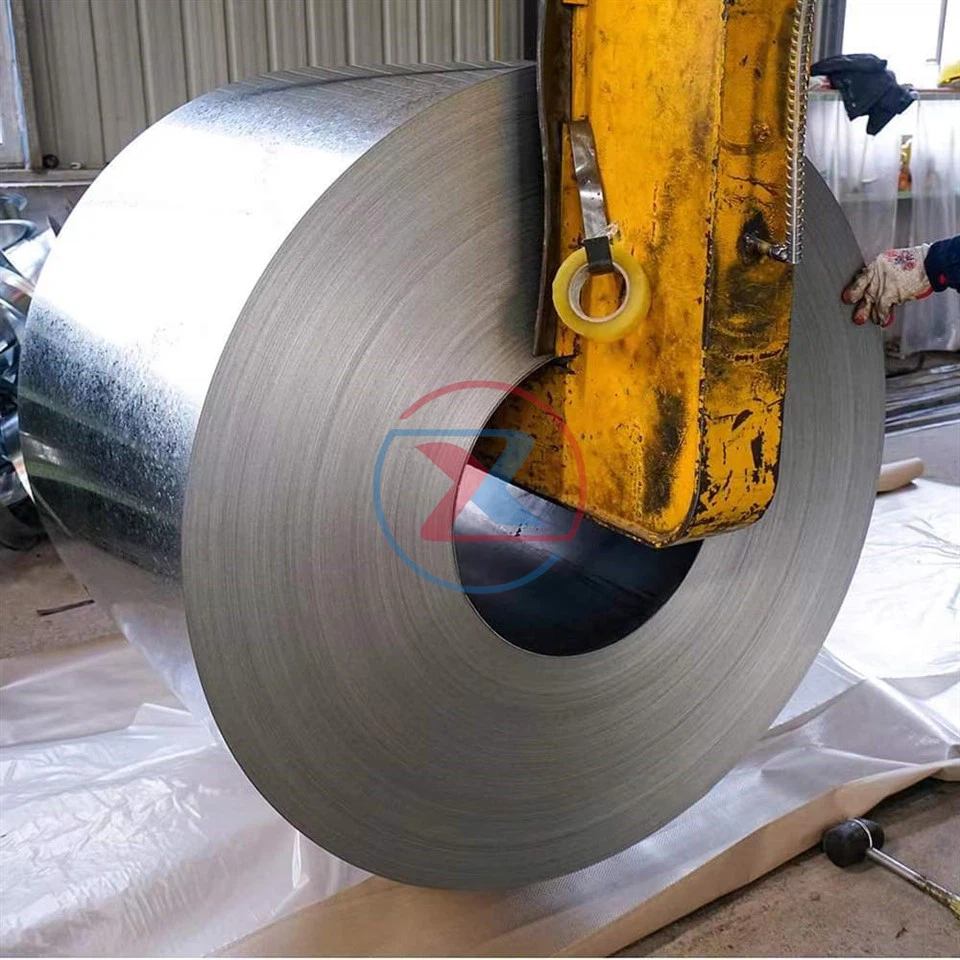
Steel is not a perfect material for all purposes. Its disadvantages may limit its usefulness as listed below:
Corrosion: Steel — particularly carbon steel — corrodes in moist environments and may need protective coatings (like paint) and regular maintenance to achieve a reasonable service life.
Weight: Steel is a relatively heavy material. That weight can limit its value in sectors such as the aerospace industry where overall mass is a major concern.
Energy requirement: Steel smelting demands large amounts of energy. Although modern techniques have made improvements, steel’s energy footprint is still relatively high.
Thermal conductivity: Steel conducts heat well, which can complicate the insulation, cooling, and heating of large steel buildings.
Cost: Steel is more expensive than many other materials. That’s particularly true of specialized grades and stainless steel.
Our factory
Hebei Zhuxin Electric Power Communication Equipment Manufacturing Co., Ltd. was established on May 30, 2013. The registered capital of the company is 98 million, with a construction area of more than 100,000 square meters, a modern factory building, advanced production lines, and complete testing equipment. We have been a high-quality supplier to many domestic and foreign trade companies. We can also provide a high-quality customization service.
ur company integrates processing and manufacturing. It has one-stop production lines for cold and hot forming, stamping heat treatment, welding, laser cutting, surface treatment, inspection, and packaging.; the annual consumption of raw materials is 32,000 tons; it has more than 80 sets of various advanced machinery and equipment; and it has an experienced management and technical team. The company has about 200 employees.


Certificate




FAQ
We're professional steel manufacturers and suppliers in China, specialized in providing high quality customized service. We warmly welcome you to buy steel at low price from our factory. Contact us for free sample.
corten steel plate coil, hsla steel plate, galvanized steel pipe