


Galvanized steel pipes are a staple in the construction and manufacturing industries, known for their durability and resistance to corrosion. The process of galvanization involves coating the steel pipe with a protective layer of zinc, which not only extends the lifespan of the pipe but also ensures its reliability in various environments. These pipes are commonly used in plumbing, HVAC systems, and in outdoor applications where the risk of rust and corrosion is higher. With a variety of sizes and strengths available, galvanized steel pipes offer a versatile solution for structural needs, ensuring long-lasting performance and safety. For those looking to purchase, options range from pre-cut lengths suitable for small projects to custom sizes for larger construction needs, providing flexibility for a wide range of applications.

Pressure Vessel Steel Plate Coil
Pressure vessel steel platesare specialized materials designed to withstand high pressures and temperatures. They are used in a variety of applications, including boilers, heat exchangers, and storage tanks for gases or liquids. These plates are available in a range of grades, each tailored to meet specific mechanical and chemical conditions. For instance, carbon steel pressure vessel grades are commonly used for general applications, while low alloy grades are chosen for their increased strength and resistance to corrosion. Manufacturers like Brown McFarlane and voestalpine provide these plates with certifications to various international standards, ensuring that they meet the stringent requirements for safety and performance in pressure-containing applications. The selection of the appropriate grade of steel plate depends on the operating conditions it will face, such as the type of substance it will contain and the temperature and pressure at which it will operate. With advancements in steel processing and design, modern pressure vessel plates are engineered to leak before bursting, providing an additional safety measure against catastrophic failure.

Corten steel, also known as weathering steel, is distinguished by its unique rust-like appearance and its high resistance to atmospheric corrosion. This material is a group of steel alloys developed to obviate the need for painting, and it forms a stable rust-like appearance after exposure to the weather. The protective oxide coating that develops on the surface of Corten steel not only provides it with its characteristic reddish-brown color but also enhances its corrosion resistance. This makes it an ideal material for outdoor structural projects such as sculptures, building structures, and welded bridges. Moreover, Corten steel is appreciated for its high tensile strength and its ability to withstand high heat levels without degradation, making it a low-maintenance option for a variety of construction applications.
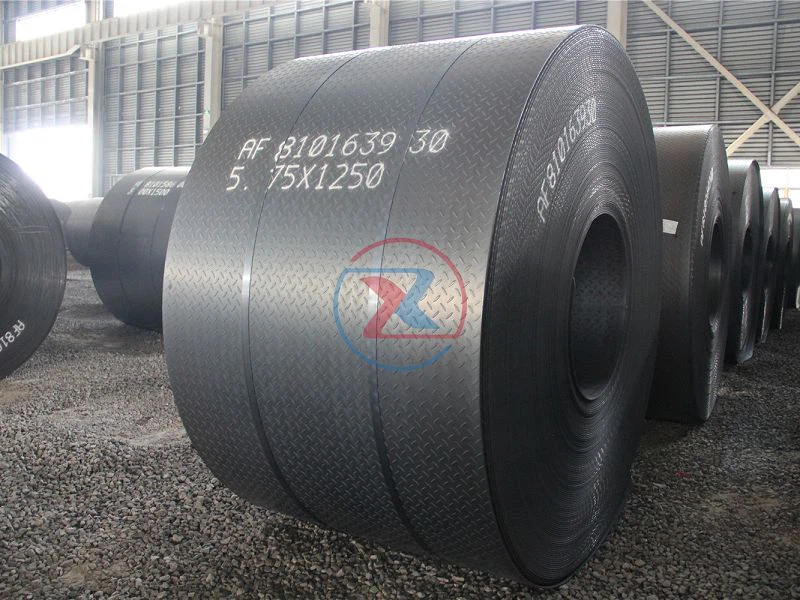
A checkered plate, also known as tread plate or diamond plate, is a type of metal stock with a regular pattern of raised diamonds or lines on one side, with the reverse side being featureless. It's renowned for its anti-slip properties and is commonly used in flooring, especially for industrial or architectural settings where safety and durability are paramount. The patterns on the plate increase friction and reduce the risk of slipping, making it an ideal choice for stairs, walkways, and ramps. Available in various metals, including aluminum, stainless steel, and low carbon steel, such as A786 grade, it can be cut to size to meet specific requirements. Its versatility and practicality make it a staple in environments that demand sturdy and reliable materials.
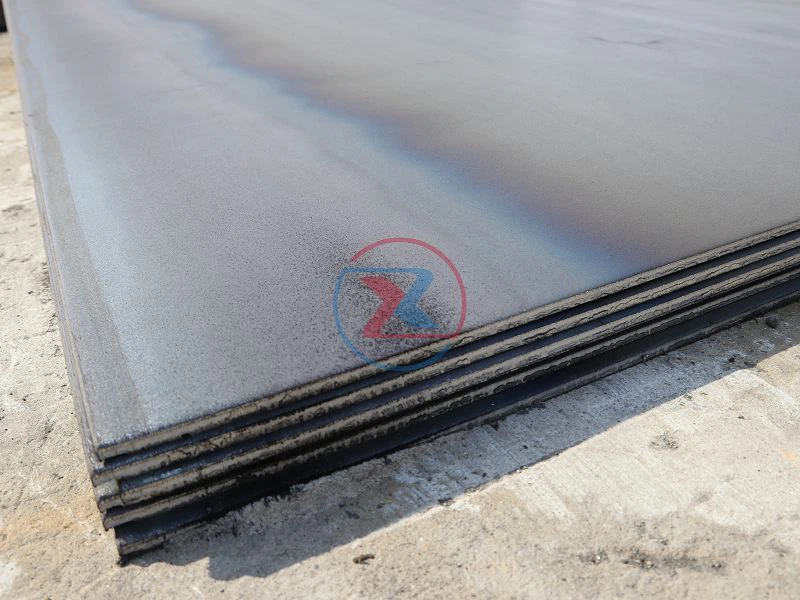
High Strength Low Alloy (HSLA) steel plates are a category of steel used extensively in the construction, automotive, and heavy machinery industries due to their superior strength-to-weight ratio and enhanced mechanical properties. These steel plates are crafted by adding small amounts of alloying elements such as copper, titanium, vanadium, and niobium to the steel, which increases its strength and resistance to wear and corrosion. HSLA steel plates are particularly noted for their improved formability and weldability over conventional carbon steels. They are often employed in structures that require high levels of stress endurance without the added weight, making them ideal for applications such as bridges, cranes, and in the manufacturing of vehicles and ships. The production process of HSLA steel involves precise control of the chemical composition and thermomechanical processing to achieve the desired properties, which can include increased toughness, better surface quality, and fine grain structure. With a variety of grades available, HSLA steel plates can be tailored to meet specific requirements of different applications, ensuring optimal performance and longevity.
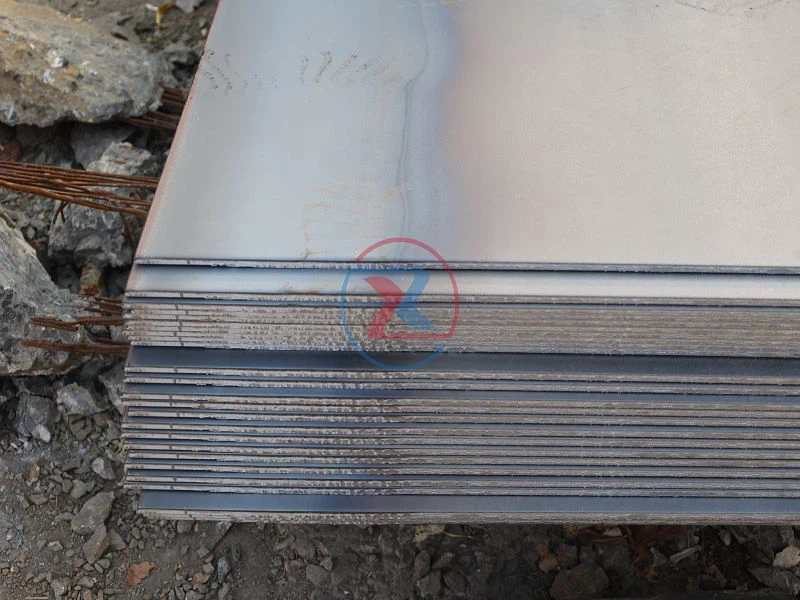
Carbon steel is an alloy consisting primarily of iron and a carbon content ranging from 0.05% to 2.1% by weight. This type of steel is categorized based on the carbon content into low, medium, high, and ultra-high carbon steel, each with distinct properties and applications. Low-carbon steel, also known as mild steel, is highly malleable and often used in automobile body panels, tin plates, and wire products. Medium-carbon steel offers a balance of strength and ductility, making it suitable for large parts, forging, and automotive components. High-carbon steel is known for its hardness and is used in cutting tools and machinery. Ultra-high carbon steel, which can have a carbon content up to 2.1%, is used in specialized products like knives, axles, or punches. Despite its versatility, carbon steel is susceptible to corrosion, which can be mitigated through coatings or alloying with other elements.
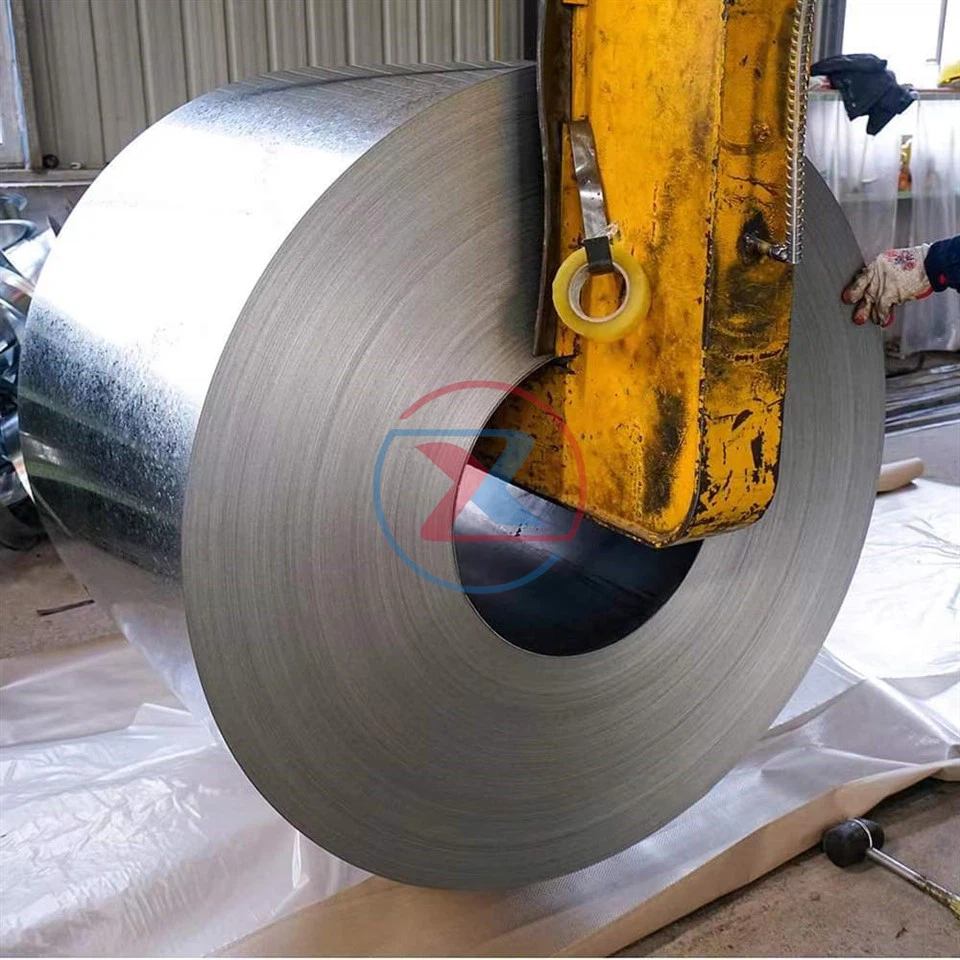
Galvanized steel plate coils are a staple in the construction and manufacturing industries, valued for their durability and resistance to corrosion. The process of galvanization involves coating a steel sheet or coil with a protective layer of zinc, which not only shields the steel from environmental factors but also offers sacrificial protection. This means that even if the coating is damaged, the zinc will corrode first, thereby protecting the steel beneath. These coils are produced through either continuous hot dipping or electro-galvanizing, with the former involving the steel passing through a bath of molten zinc, and the latter applying zinc through electrolytic disposition. The adherence of the zinc to the steel forms a robust iron-zinc bonding layer, ensuring long-lasting protection. Available in various sizes and specifications, galvanized steel plate coils are versatile and can be used in a multitude of applications, from automotive parts to construction materials.
Why Choose Us
Professional team
The workforce is stable and has many years of production and sales experience. It is a provider with a strong guarantee of quality products and services.
Qualifications and certifications
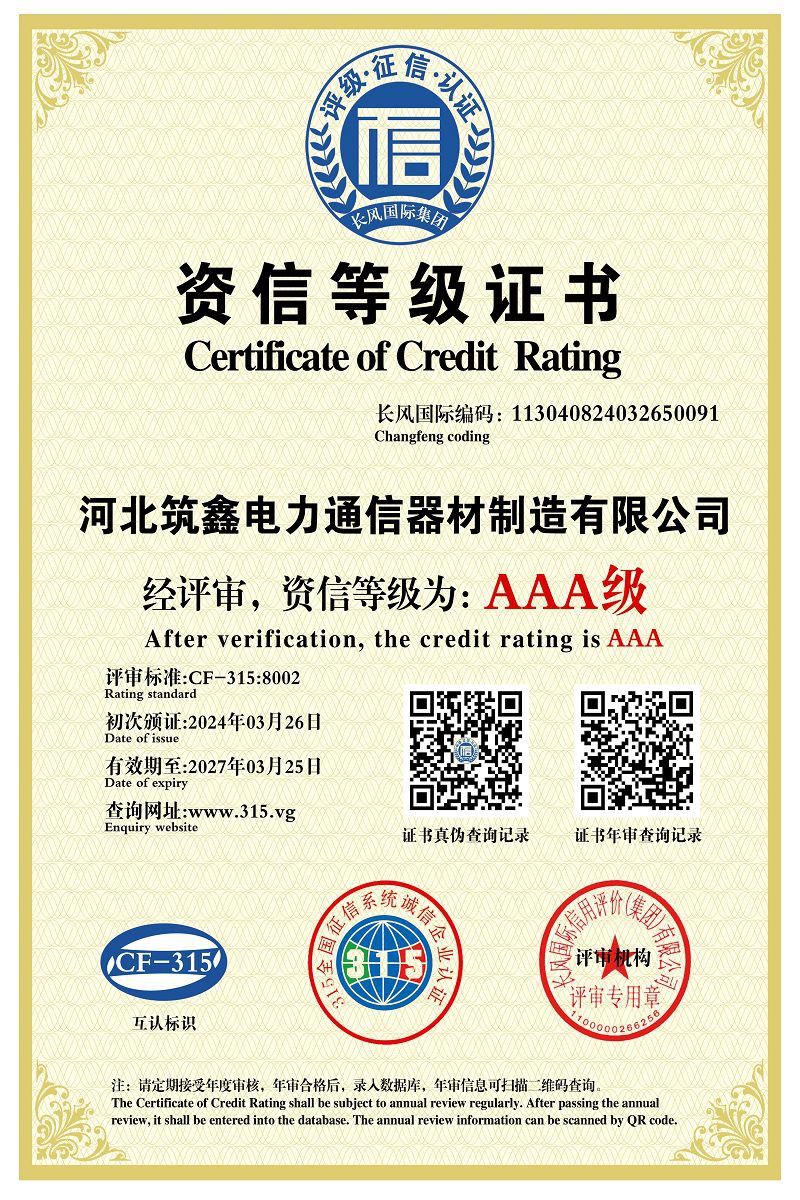
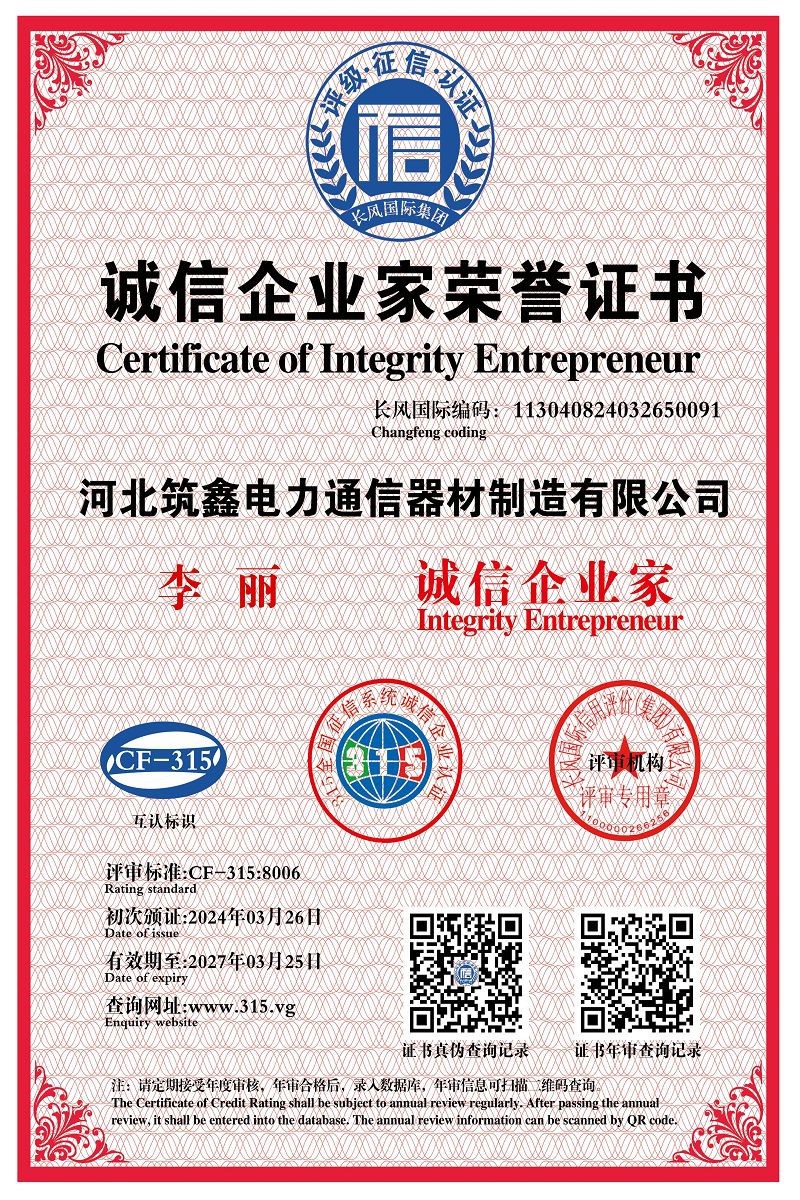
ISO certification, AAA quality, honor, honest enterprise, leading standard parts enterprise, high-quality supplier of state-owned enterprises, etc.
Customized services
Our team of experts will work closely with you to understand your needs and will provide solutions that are tailored to meet your expectations.
7x24 hours delivery
You can contact us anytime via email/phone to resolve any issues.
Galvannealed steel pipes are made by annealing hot-dipped galvanized steel, which causes the zinc coating to react with the steel to form a zinc-iron alloy. This process creates a matte, non-reflective finish that is highly resistant to scratching and corrosion. Galvannealed steel pipes are commonly used in automotive and appliance manufacturing, as well as in the construction of buildings and bridges.
Strong corrosion resistance
One of the biggest issues of any type of metal is corrosion, as it damages and weakens the surface, causing parts and sections to break after a certain period of time. Rust is caused by oxidization, which leaves marks that stain and damage the steel. This is why it is best to have a steel surface that is protected against these elements and has increased strength and resistance.
Using Galvanized steel pipes provides you with these benefits, as the molten zinc layer ensures that your pipes would not be easily corroded, and have an extra later that can keep it safe from different kinds of wear and tear. This is beneficial for industries that handle volatile substances such as chemicals and gases, as they can easily cause damage to solid materials that do not have treated surfaces.
Long lifespan
With an extra protective layer of molten zinc present on the surface, galvanized steel pipes have a longer lifespan compared to conventional piping. This means that they can last for a number of years before needing to be replaced, ensuring that various substances have a proper channel where they can be moved to different locations. Steel is designed to last for a long period of time, which is why using galvanized steel pipes would be the best option for a wide variety of industries.
Cost-effective
Steel maintenance can be very costly, as industries regularly conduct checks and repairs in order to make sure that their equipment and facilities are operating effectively. Using conventional steel pipes tend to wear out more quickly, which means that you would need to repair and replace the pipes more often.
Compared to conventional steel pipes, galvanized steel pipes have a lifespan of 50 years, compared to 20 to 25 years by using the former. This can cause you to spend more on buying replacement parts. By using galvanized steel pipes, you would have a set of pipes that can last longer, which means that you would be able to lessen maintenance and repair costs.
Quick installation
Along with having a strong protective surface that increases resistance to wear and tear, galvanized steel pipes are easy to install. This is due to the fact that these pipes are ready-made, which means that you would no longer need to prepare or paint the surface before installing these sections. This drastically lessens the construction time by a number of minutes or hours, making sure you would be able to finish projects at a much faster rate. If you have a tight project deadline for your construction project, using galvanized steel pipes are the most efficient option.
What to Look For in Galvanized Steel Pipe
New galvanized pipe looks nickel colored. It may also feature a marbled appearance. Over time, though, the pipe tends to grow duller. While the protective zinc layer can greatly extend the metal's useful lifespan, galvanized steel will corrode after about 40-50 years in use.
If you notice rust, it's definitely time to look for new pipes. When purchasing galvanized steel - or any fabricated metal product, for that matter - always inquire about the quality of the material, its tensile strength, corrosion resistance, and flexibility of use.
If you plan on cutting galvanized steel pipe, you will need a hacksaw, a tube-cutting tool, or a reciprocating saw. You may need multiple cutting devices if you have several sizes of pipe.
To cut with a hacksaw
Secure the pipe in a vise or clamp, and support the longer end if necessary. Start cutting. Since you have no motor, you'll need a lot of time and energy to cut this way, but it can be done. That said, don't use too much pressure. Once the steel separates, file down the cut ends.
To cut with a tube-cutting tool
When you start cutting, you'll need to rotate your cutter around the pipe several times. Once the cut is made, ream the pipe to avoid leaving burred ends. To do this, you'll need a tool called a reamer.
To cut with a reciprocating saw
This motorized cutting tool gets the job done fast. Put on your PPE, mark your cut, clamp your pipe down, and let that wheel do its work. Just make sure you don't start with the wheel pressed directly against the pipe as this can cause it to snag on the pipe and damage the blade.
Ordinary steel pipes are less resistant to corrosion than galvanized steel pipes. Zinc plating refers to the surface of steel pipes being galvanized. It may be welded pipes or seamless pipes. Seamless refers to the manufacturing process of steel pipes, with welding and no Sewing points. Galvanized pipes are resistant to corrosion and seamless pipes can withstand higher pressures. Galvanized steel pipe is not easy to rust due to zinc protection. Galvanized steel pipes are lighter than seamless steel pipes. If it is used for balconies, it is best to use galvanized light pipes. Seamless steel pipes are not suitable for balcony. Because the seamless steel pipe wall thickness, the natural weight is heavy, and the cost of the seamless steel pipe is higher than the cost of the galvanized steel pipe, and the galvanized steel pipe is very durable, and the service life is far more than the seamless steel pipe. If the quality is too good, it should not be a problem for more than 20 years. Of course, the welding and paint should be done well, and it will not affect the service life of the galvanized steel pipe. Use difference: galvanized steel pipe is generally used for fences, fences, guardrails, balcony guardrails. Widely used in municipal engineering, roads, factories, schools, development zones, gardens, plazas, residential areas and other places.
Galvanized steel pipes are divided into hot-dip galvanizing and cold-galvanizing. The hot-dip galvanizing is to soak the pipe in the high-temperature zinc liquid so that the zinc penetrates into the surface of the steel. The surface of the pipe has a thick zinc layer and corrosion resistance higher than that of cold-dip galvanizing. Of course, the price is also higher than that of cold-dip zinc. Cold-dip zinc is actually an electro-galvanized pipe. A layer of zinc adheres to the surface of the tube by electroplating chemical reaction, but the zinc layer is thin and easily falls off. The price is cheaper. The price of both is higher than that of ordinary steel pipes. After special spraying on the surface of galvanized pipes, the anti-corrosion performance is dozens of times higher than that of iron pipes.
Key Factors Affecting How Long Galvanized Steel Pipe Last
Zinc quality and thickness: The thicker the zinc coating, the longer it will last before it fully oxidizes and wears away. There are also different methods for applying the zinc coating: some methods result in a lower percent of zinc in the coating, while others make it more likely that zinc can flake off in use or chip during installation.
Steel quality and thickness: Once the steel in a plumbing system starts getting exposed to oxygen, the chemical composition of the steel, along with its thickness, will influence how quickly it rusts and corrodes.
Installation quality and methods: If an installation resulted in lots of nicks and abrasion to the protective zinc coating - steel around those weakened areas will start the rusting process much sooner. This is particularly true at fittings and connections.
Water pH level: Both the zinc protective coating, as well as the underlying steel, will oxidize faster in water that isn't pH neutral. Hard water tends to be more alkaline (high pH), and soft water tends to be more acidic (low pH). Hard water is also rich in minerals such as calcium and magnesium, which over time will cause scale build up - compounding pipe blockage and flow restriction problems from internal rust build up.
Hot vs Cold Water Lines: Hot water holds more oxygen in suspension. The higher oxygen levels, combined with the higher temperature, means the galvanized zinc layer and steel will corrode much faster on your hot vs cold water lines.
Pipes In Damp Areas: If galvanized pipes are located in damp areas such as underneath slab foundations, the outer zinc coating can degrade much faster. As the zinc coating degrades, the steel pipes will also rust and corrode due to the moisture levels, leading to possible breaks and leaks.
Hot-dip galvanized steel pipes
Hot-dip galvanization is the most common method of galvanizing steel pipes. It involves dipping the steel pipes into a molten zinc bath, which creates a thick, durable layer of zinc coating that protects the steel from corrosion and rust. Hot-dip galvanized steel pipes are known for their high-quality and long-lasting performance. They are often used in outdoor and industrial locations where durability is crucial, such as bridges, power plants, and water treatment facilities.
Electro-galvanized steel pipes
Electro-galvanization is another method of galvanizing steel pipes, but it uses an electric current to deposit zinc onto the steel surface rather than a molten zinc bath. The resulting zinc coating is thinner and less durable than hot-dip galvanization, but it still provides some protection against rust and corrosion. Electro-galvanized steel pipes are typically used in indoor settings and non-critical applications where cost and aesthetics are more important than durability.
Pre-galvanized steel pipes
Pre-galvanized steel pipes are made with steel that has already been coated with zinc before manufacturing. This process involves passing the steel strips through a zinc coating machine before they are formed into pipes. Pre-galvanized steel pipes are less durable than hot-dip galvanized steel pipes but are still effective against corrosion and rust. They are commonly used in indoor and outdoor construction projects, such as fences, handrails, and roof structures.
Galvannealed steel pipes
Galvannealed steel pipes are made by annealing hot-dipped galvanized steel, which causes the zinc coating to react with the steel to form a zinc-iron alloy. This process creates a matte, non-reflective finish that is highly resistant to scratching and corrosion. Galvannealed steel pipes are commonly used in automotive and appliance manufacturing, as well as in the construction of buildings and bridges.
Features of Galvanized Steel Pipe
● The zinc coating is thick, with detailed, uniform and non-porous crystals, and excellent corrosion resistance.
● The zinc layer obtained by electroplating is relatively pure, and it corrodes slowly in the mist of acid, alkali, etc., and can effectively maintain the steel substrate.
● Because the zinc coating has excellent ductility, it can be formed by cold punching, rolling, bending, etc. without damaging the coating.
● The zinc coating is passivated by chromic acid to form white, colorful, military green, etc., beautiful and generous, with certain decorative properties.
● A thick and dense pure zinc layer covers the surface of the steel, which can prevent the steel substrate from touching any corrosive solution and protect the steel substrate from corrosion. In the general atmosphere, the surface of the zinc layer constitutes a very thin and dense zinc oxide layer surface, which is difficult to dissolve in water, so it has a certain maintenance effect on the steel substrate. If zinc oxide and other components in the atmosphere form insoluble zinc salts, the anti-corrosion effect is more promising.
● With iron-zinc alloy layer, combined with compactness, it exhibits unique corrosion resistance in marine salt spray atmosphere and industrial atmosphere.
● Because of the strong combination, zinc and iron are mutually soluble and have strong wear resistance.
● After the steel structural parts are hot-dip galvanized, it is equivalent to one annealing treatment, which can effectively improve the mechanical function of the steel matrix, eliminate the stress during the forming and welding of the steel parts, and is beneficial to the turning of the steel structural parts.
● Because zinc has excellent ductility and its alloy layer is firmly attached to the steel base, hot-dipped parts can be formed by cold punching, rolling, wire drawing, and bending without damaging the coating.
● The surface of the parts after hot-dip galvanizing is bright and beautiful.
● The pure zinc layer is a layer of galvanized layer endowed with plasticity in hot-dip galvanizing. Its properties are basically close to pure zinc and have ductility, so it is rich in flexibility.
Our factory
Hebei Zhuxin Electric Power Communication Equipment Manufacturing Co., Ltd. was established on May 30, 2013. The registered capital of the company is 98 million, with a construction area of more than 100,000 square meters, a modern factory building, advanced production lines, and complete testing equipment. We have been a high-quality supplier to many domestic and foreign trade companies. We can also provide a high-quality customization service.
ur company integrates processing and manufacturing. It has one-stop production lines for cold and hot forming, stamping heat treatment, welding, laser cutting, surface treatment, inspection, and packaging.; the annual consumption of raw materials is 32,000 tons; it has more than 80 sets of various advanced machinery and equipment; and it has an experienced management and technical team. The company has about 200 employees.


Certificate




FAQ


