

Extension Ring


Why Choose Us
Professional team
The workforce is stable and has many years of production and sales experience. It is a provider with a strong guarantee of quality products and services.
Qualifications and certifications
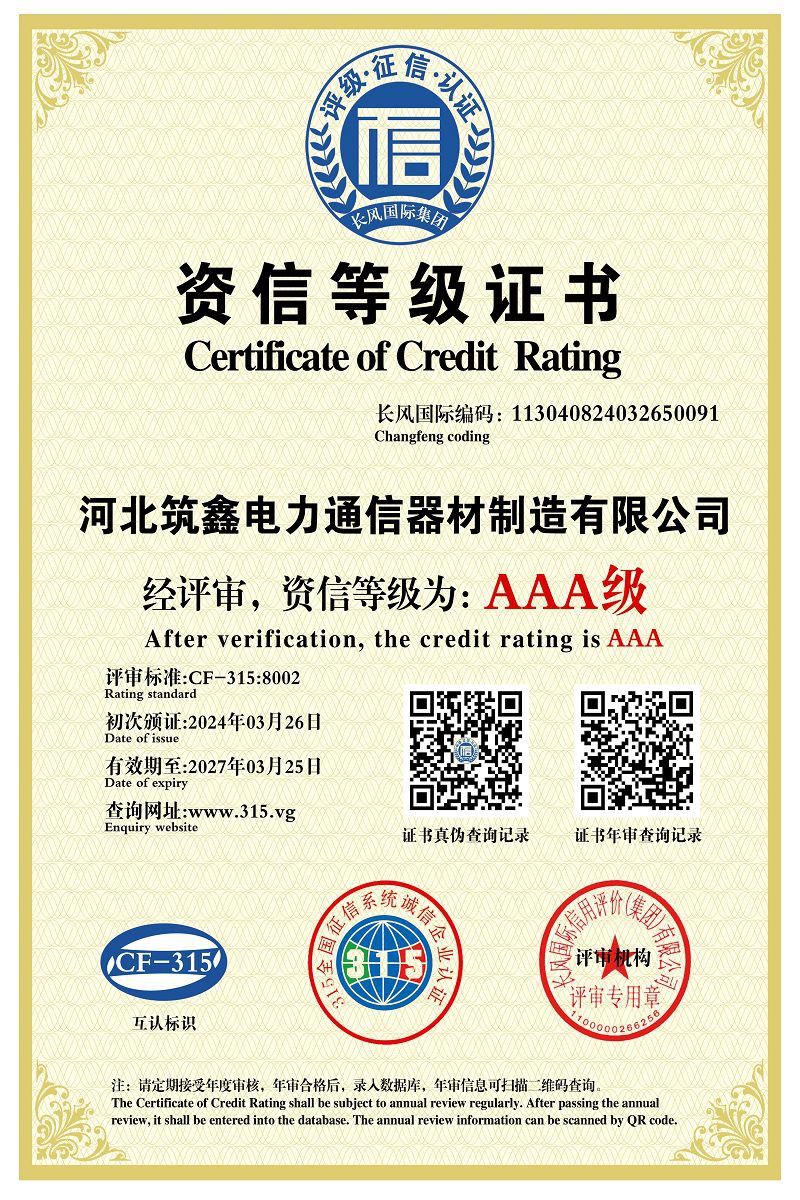
ISO certification, AAA quality, honor, honest enterprise, leading standard parts enterprise, high-quality supplier of state-owned enterprises, etc.
Customized services
Our team of experts will work closely with you to understand your needs and will provide solutions that are tailored to meet your expectations.
7x24 hours delivery
You can contact us anytime via email/phone to resolve any issues.
An extension ring is a metal part with a connecting and extending function, usually made of metal and shaped like a clamp. It can be used to connect and extend metal parts made of different materials or with different specifications, and is widely used in machinery manufacturing, construction, electrical and automotive industries. The function of the extension ring is to make a connection between two metal parts that could not be connected otherwise. In engineering, it is sometimes necessary to connect two different metal parts, but due to their different materials or specifications, they can not be directly connected. At this time, the extension ring can be used to connect and extend, so as to produce a mechanical connection between the two parts and enhance the strength and stability of the overall structure.
Features of Extension Rings
Extension rings can connect two different lengths of pipes or wires together and extend the length. Extension rings are usually made of metal materials with high strength and durability to withstand high-pressure and high-temperature environments. In addition, extension rings are not easily corroded or rusted, and will not leak or loosen over a long period of time.
Usage Scenarios of Extension Rings
Extension rings are usually used in the following scenarios:
Eelectrical system
Connecting wires of different lengths.
Water supply system
Connecting two pipes of different lengths or extending the length of pipes.
Gas system
Connecting different lengths of pipes or extending the length of pipes.
Communication system
Connecting different lengths of fiber optic cables or transmission lines.
The structure of extension ring generally consists of ring body and two elbows. The ring body is rounded on the outside and threaded on the inside for connecting pipes or wires of different lengths at both ends. The elbows are generally curved unidirectional pipes used to connect the ring body to the pipes or wires, thus connecting different lengths of pipes or wires and extending their lengths. The angle and length of the elbow of the extension ring is selected according to the need, in most cases it is a 90-degree elbow.

Materials for extension rings are generally commonly used such as steel, copper and aluminum. Among them, steel is a widely used material with the advantages of high strength, durability and good corrosion resistance. Copper and aluminum are usually used in special or demanding applications, such as marine environments or high-temperature and high-pressure environments.
PH extension ring is a kind of power connecting fixture used to restrict the vertical lead wires from passing through the space of the extension ring in order to reduce the swing range of insulator series contact.
Choose the right size and specification
Select the appropriate size and specification of the extension ring according to your specific needs (e.g. connection pipe diameter, load carrying capacity, working environment, etc.).
Check the quality
Before use, check whether the surface of the extension ring is flat and free from defects such as corrosion, cracks and dents.
Check whether the connecting bolts or pins are intact and the threads are clear.
Preparing the mounting position
Clean the mounting position to make sure there is no debris, oil or rust to better secure the extension ring.
Install the extension ring
Place the extension ring between the two parts to be connected, making sure that the ring holes are aligned with the holes in the connecting parts.
Secure the extension ring to the connecting part using a suitable bolt, nut or pin.
If required, a gasket or sealant may be applied to the connection to ensure a tight seal.
Checking the firmness of the connection
After installation, check that the connection is secure and that the bolts or pins are tightened.
Use appropriate tools (e.g., wrench, torque wrench, etc.) to ensure that the connection torque meets specifications.
Caution
During use, periodically check the connection status of the extension ring and replace it if it is loose or damaged.
Avoid applying excessive external force or impact on the extension ring to avoid damaging the connection structure.
When used in humid and corrosive environments, the intactness of the layer should be checked regularly and any corrosion should be dealt with promptly.
Cleaning and maintenance
During use, clean the extension ring and its connecting parts regularly to keep its surface clean and smooth.
If necessary, anti-rust oil or grease can be applied to the connection to reduce friction and wear.
Define the usage requirements
Before purchasing, first of all, clarify the requirements of the extension ring in terms of use, working environment, required load capacity and service life. This will help to determine the required specification, size and material.
Select quality material
The base material of the extension ring should be of high quality steel to ensure its strength and durability.
The layer should be uniform and dense, which can effectively prevent rust and corrosion.
Pay attention to specification and size
Select appropriate specifications and sizes according to the usage requirements. Ensure that the parameters such as hole diameter, thickness and length of the extension ring meet the usage requirements.
Check the appearance quality
Observe whether the surface of the extension ring is flat, with no defects such as corrosion, cracks, depressions, and so on.
Check whether the layer is uniform, without leakage of plating, flaking and other phenomena.
Pay attention to the connection method
According to the usage requirements, choose the suitable connection method, such as bolt connection, pin connection, etc.
Ensure that the connecting parts (e.g. bolts, nuts, etc.) are compatible with the extension ring and are of reliable quality.

Components of Galvanized Extension Ring
Base material
The body part of the extension ring is usually made of carbon steel or other metal alloys. The strength and durability of the base material determines the load carrying capacity and service life of the extension ring.
Galvanized layer
The galvanized layer is a layer of zinc metal that covers the surface of the base material. This layer of zinc is attached to the base material by hot dip galvanizing, electroplating or other galvanizing processes. The main purpose of galvanizing is to provide protection against corrosion, as zinc is less susceptible to corrosion than steel and forms a barrier between steel and corrosive media.
Connecting parts
Galvanized extension rings may be designed with connecting sections such as bolt holes, pin holes, or other connecting structures to make connections to other components. These connecting parts are usually also made of the same metal as the base material and are similarly covered with a galvanized coating.
Edges and surfaces
The edges of galvanized extension rings are usually treated to eliminate sharp edges and burrs to ensure safety and ease of use during use. At the same time, the surface should be kept smooth and flat to minimize friction and wear with other components.
Material properties
Extension rings are usually made of metal (e.g. carbon steel, stainless steel) or plastic. The characteristics of the material will directly affect its strength, corrosion resistance, wear resistance and service life.
Load capacity
The maximum load or pressure that the extension ring should be able to withstand is a key indicator of its ability to perform in the actual application.
Connection type
Extension rings may be designed with a specific type of connection, such as bolted, pinned, etc. Understanding the parameters of these connections, such as bolt diameter, pin length, etc., is critical to the proper installation and use of extension rings.
Corrosion resistance
For metal extension rings, corrosion resistance is an important indicator. Especially when the extension ring is used in a corrosive environment, its corrosion resistance will directly affect its service life.
Temperature range
The temperature range in which an extension ring can operate normally depends on its material properties and design.
Accuracy and tolerances
For high-precision applications, it is critical to understand the accuracy and tolerance range of the extension ring. This includes tolerance ranges for parameters such as ID, OD, and length.
Surface finish
The surface finish of the extension ring, such as galvanized, painted, etc., will affect its corrosion resistance and appearance.
Weight
The weight of the extension ring is also a parameter to be considered, especially in applications where manual handling or installation is required.
When purchasing extension rings, the above performance parameters should be considered according to the specific application requirements and environmental conditions in order to select the most suitable product.
Dimensional Parameters of Extension Rings
Inside Diameter (ID)
The diameter of the inside of the extension ring, which is used to determine the size of the object it can be snapped into or connected to.
Outside Diameter (OD)
The diameter of the outside of the extension ring, reflecting its overall size and shape.
Length (L)
The length of the extension ring, which determines the amount of additional length or space it can provide.
Thickness (T)
The wall thickness of the extension ring, reflecting its strength and durability.
Material preparation
● According to the design requirements of the extension ring, select suitable raw materials, such as carbon steel, stainless steel, plastic and so on.
● Conduct quality inspection on the raw materials to ensure that they meet the production requirements.
Cutting and molding
● Use cutting machine or cutting tools to cut the raw materials into the required length and shape.
● According to the design requirements, process the raw material into the basic shape of the extension ring through molding processes such as stamping, casting, forging or injection molding.
Processing of connecting parts
● If the extension ring is designed with connection parts, such as bolt holes, pin holes, etc., they need to be processed after molding.
● Use drilling machines, milling machines and other equipment to process connection holes or other connection structures on the extension rings.
Surface treatment
● Apply surface treatment to the extension ring to improve its corrosion resistance and appearance quality.
● Common surface treatment methods include galvanizing, spraying and polishing.
● According to the requirements of the product, choose the appropriate surface treatment method.
Quality inspection
● Carry out quality inspection on the completed extension ring, including size measurement, material testing, performance testing, etc. Ensure that the performance parameters of the extension ring meet the requirements of the product.
● Ensure that the performance parameters of the extension ring meet the design requirements and quality standards.
Packaging and storage
● Pack the qualified extension rings to protect them from damage during transportation and storage.
● According to the requirements of the products, choose suitable packaging materials and methods.
Shipping and transportation
● Ship and transport the packed extension rings according to the order requirements.
● Ensure that appropriate protective measures are taken to prevent product damage during transportation.
When to Use Extension Rings
Pipe connection and extension
In water supply, gas, petroleum, chemical and other industries, extension rings can be used when it is necessary to connect two pipes of different lengths, or when it is necessary to extend the length of a pipe. It ensures the stability and sealing of the pipe connection and prevents liquid or gas leakage.
Wire and cable connections
In the electrical and communication field, extension rings can be used to connect or extend wires and cables. It provides extra length and stability and helps ensure the safe operation of wires and cables.
Mechanical equipment connection
In mechanical equipment, it is sometimes necessary to connect two different parts or components, and there may be gaps or length differences in the joints between these two parts. Extension rings can be used to fill these gaps or differences to ensure the normal operation of mechanical equipment.
Building installation
During construction installation, such as installing pipes, cables, equipment, etc., extension rings are sometimes needed to adjust the length or position to meet the installation requirements.
Reasonable design
The design of extension rings should be in accordance with relevant standards and codes to ensure that they are structurally stable, firm and can withstand the expected loads and stresses. Reasonable design can reduce safety accidents caused by structural problems during use.
Manufacturing quality
Manufacturing quality is a key factor in ensuring the safety of extension rings. High quality raw materials, fine processing and strict quality control process can ensure the strength and durability of the extension ring and reduce the safety hazards caused by manufacturing defects.
Environment
The environment in which the extension ring is used is also an important factor affecting its safety. Under harsh environmental conditions, such as high temperature, high pressure, corrosive media, etc., the extension ring may be damaged or accelerated aging, thus reducing its safety. Therefore, when selecting and using extension rings, it is necessary to give full consideration to the environment in which they are to be used and select suitable materials and specifications.
Proper use
Correct use of the extension ring is also an important measure to ensure its safety. Users need to follow the instruction manual or the guidance of professionals to avoid overloading, overuse or improper installation in order to minimize the occurrence of safety accidents.
Regular inspection and maintenance
In order to ensure the long-term safety of the extension ring, regular inspection and maintenance is required. The inspection includes but is not limited to: whether the structure is intact, whether there are cracks, corrosion or deformation, etc.; whether the connecting parts are tight, whether there is looseness or wear, etc.. If problems are found, they should be repaired or replaced in time.
Our factory
Hebei Zhuxin Electric Power Communication Equipment Manufacturing Co., Ltd. was established on May 30, 2013. The registered capital of the company is 98 million, with a construction area of more than 100,000 square meters, a modern factory building, advanced production lines, and complete testing equipment. We have been a high-quality supplier to many domestic and foreign trade companies. We can also provide a high-quality customization service.
ur company integrates processing and manufacturing. It has one-stop production lines for cold and hot forming, stamping heat treatment, welding, laser cutting, surface treatment, inspection, and packaging.; the annual consumption of raw materials is 32,000 tons; it has more than 80 sets of various advanced machinery and equipment; and it has an experienced management and technical team. The company has about 200 employees.


Certificate





FAQ
We're professional extension ring manufacturers and suppliers in China, specialized in providing high quality customized service. We warmly welcome you to buy extension ring at low price from our factory. Contact us for free sample.
zh extension ring, extension ring, galvanized extension ring